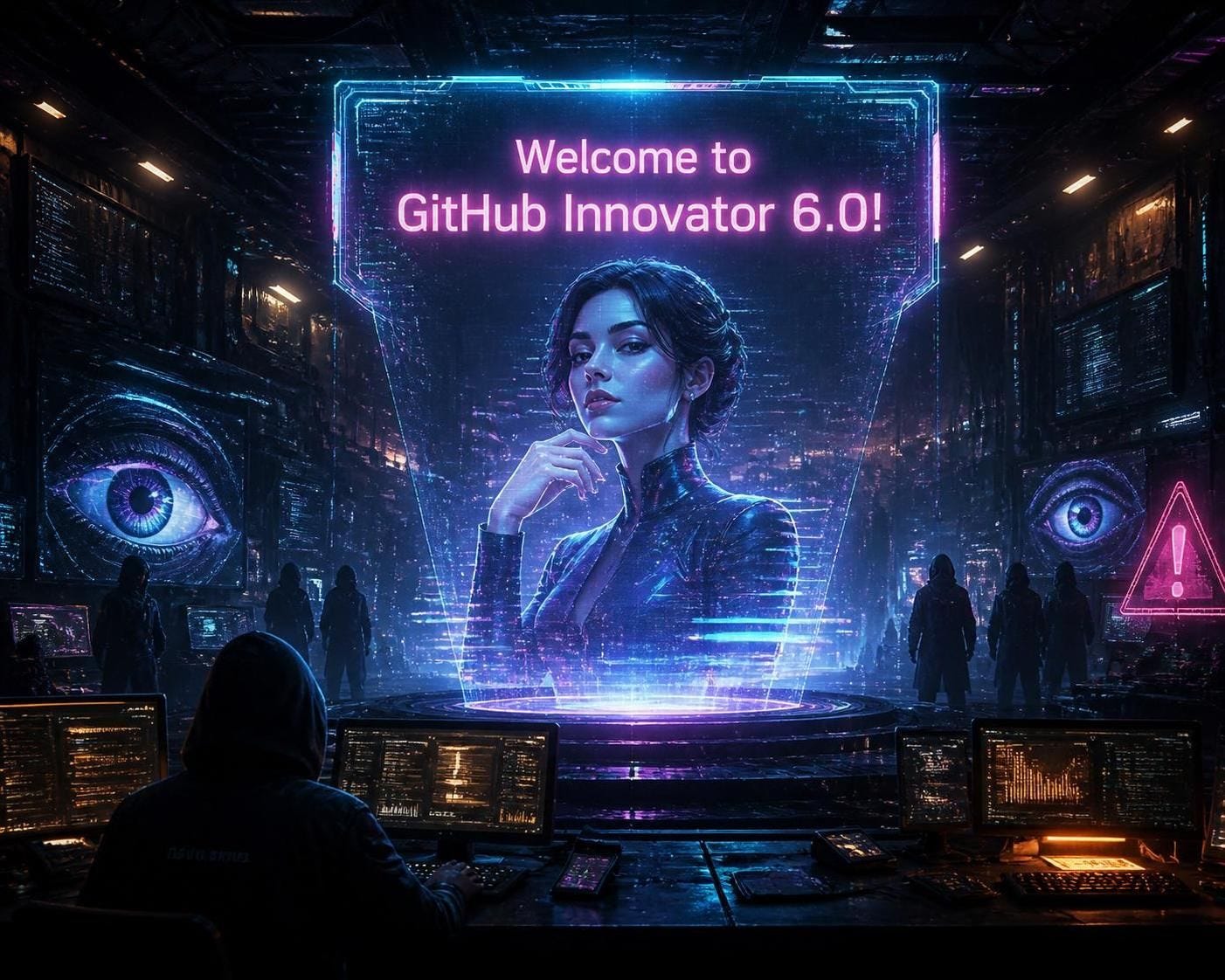
“Welcome to GitHub Innovator 6.0!’’
It was loud, pompous and too self-assured. But it was the only AI holographic model of me I had. I programmed myself as a woman as a decoy, which worked superbly in the Underworld of Cyber ‘insecurity’.
Today, GHI, as I call it, placed my holographic presence standing in what used to be known as the Boston Public Library. I have no idea why it renders me looking at leather spines of thousand-year-old manuscripts curling and blackening like dying insects.
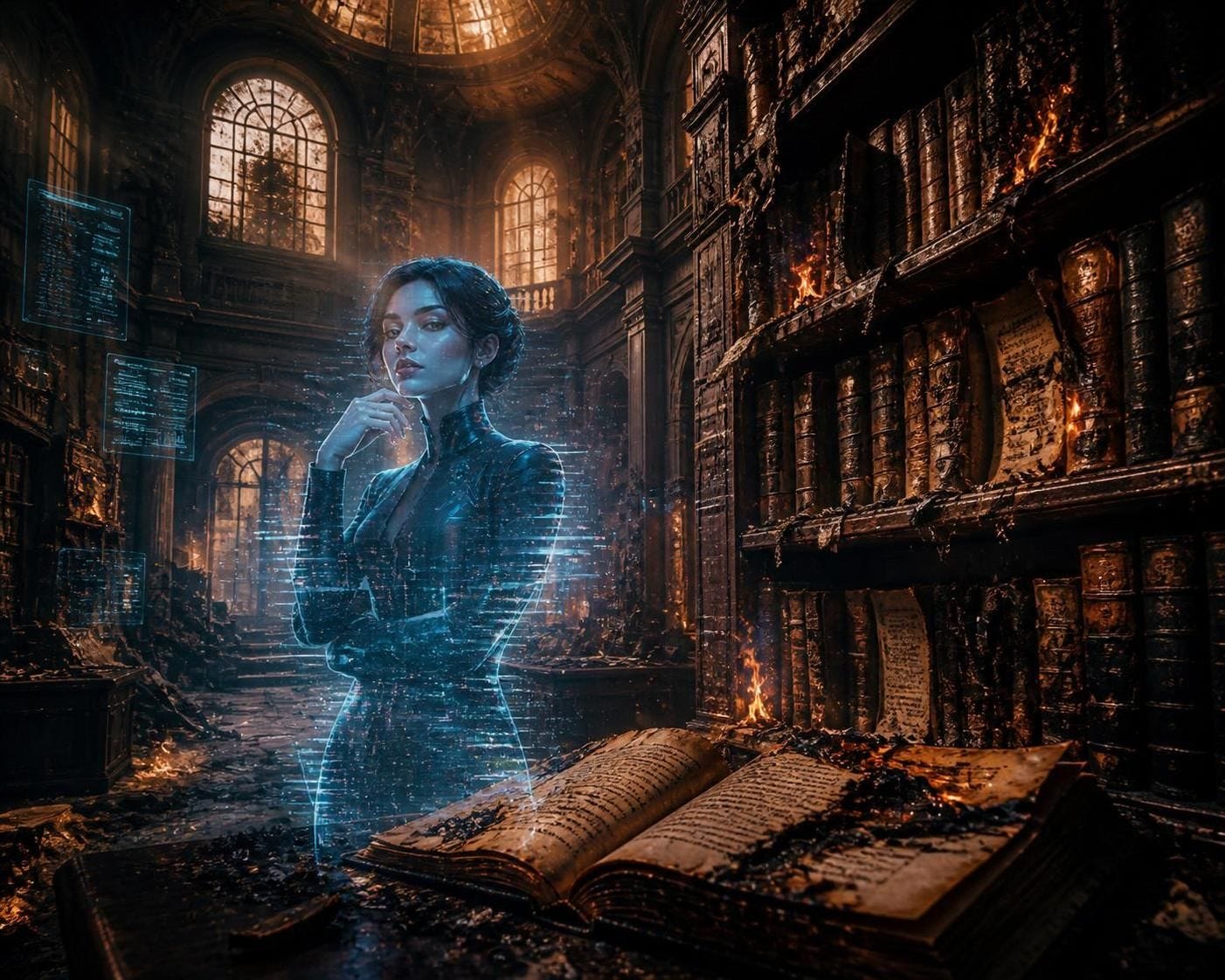
Yet, the holographic presence gives the imagery of the air feeling solid, like a breathing entity pressing down with the weight of a stone sarcophagus.
But I know the truth.
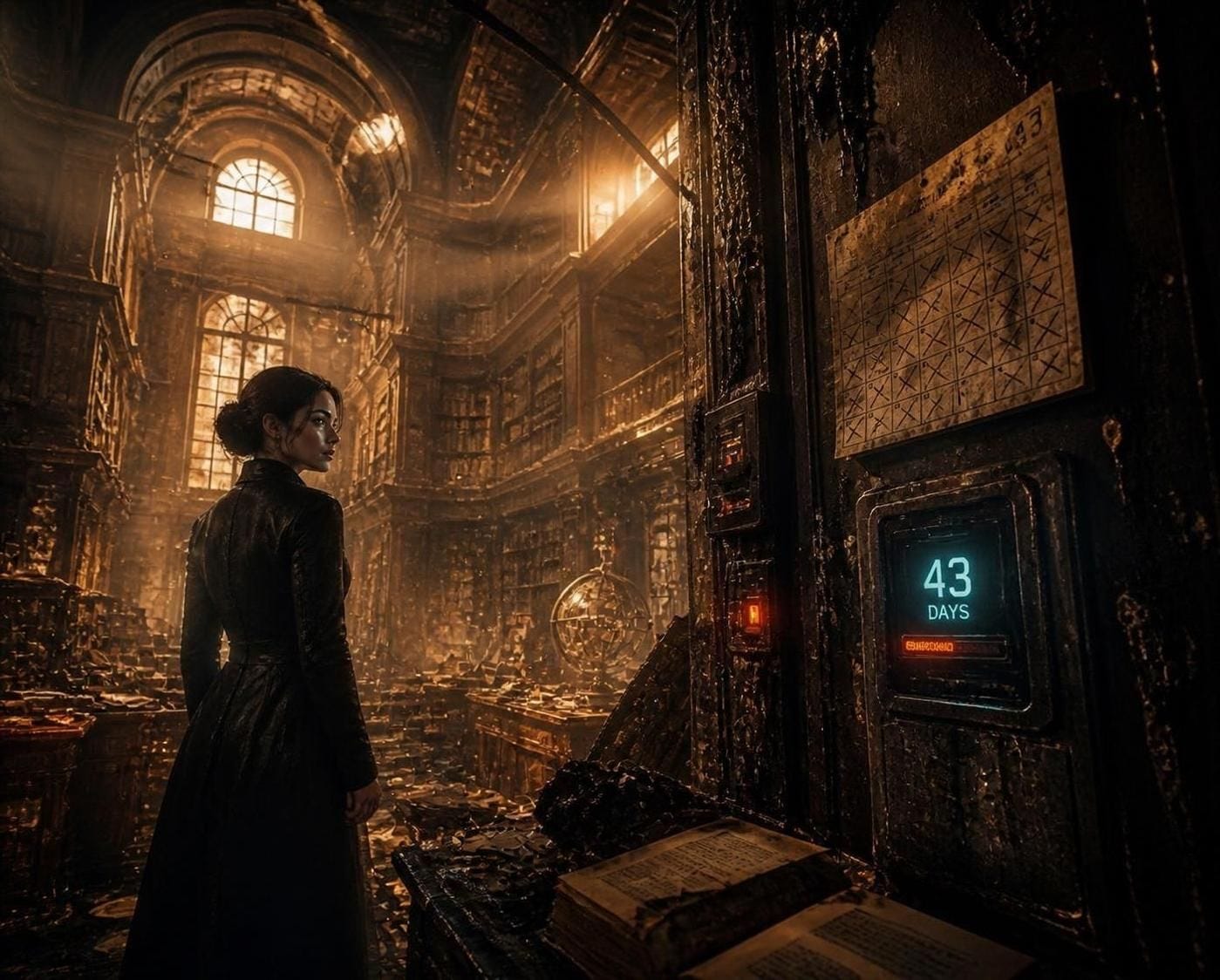
I saw it forty-three days ago, when the library’s cooling systems had failed.
I counted since the first day of the incident when the heat index exceeded sixty-four degrees Celsius because outside, in the streets of lovely Boston, it was transformed into something resembling a ghostly decay of existence.
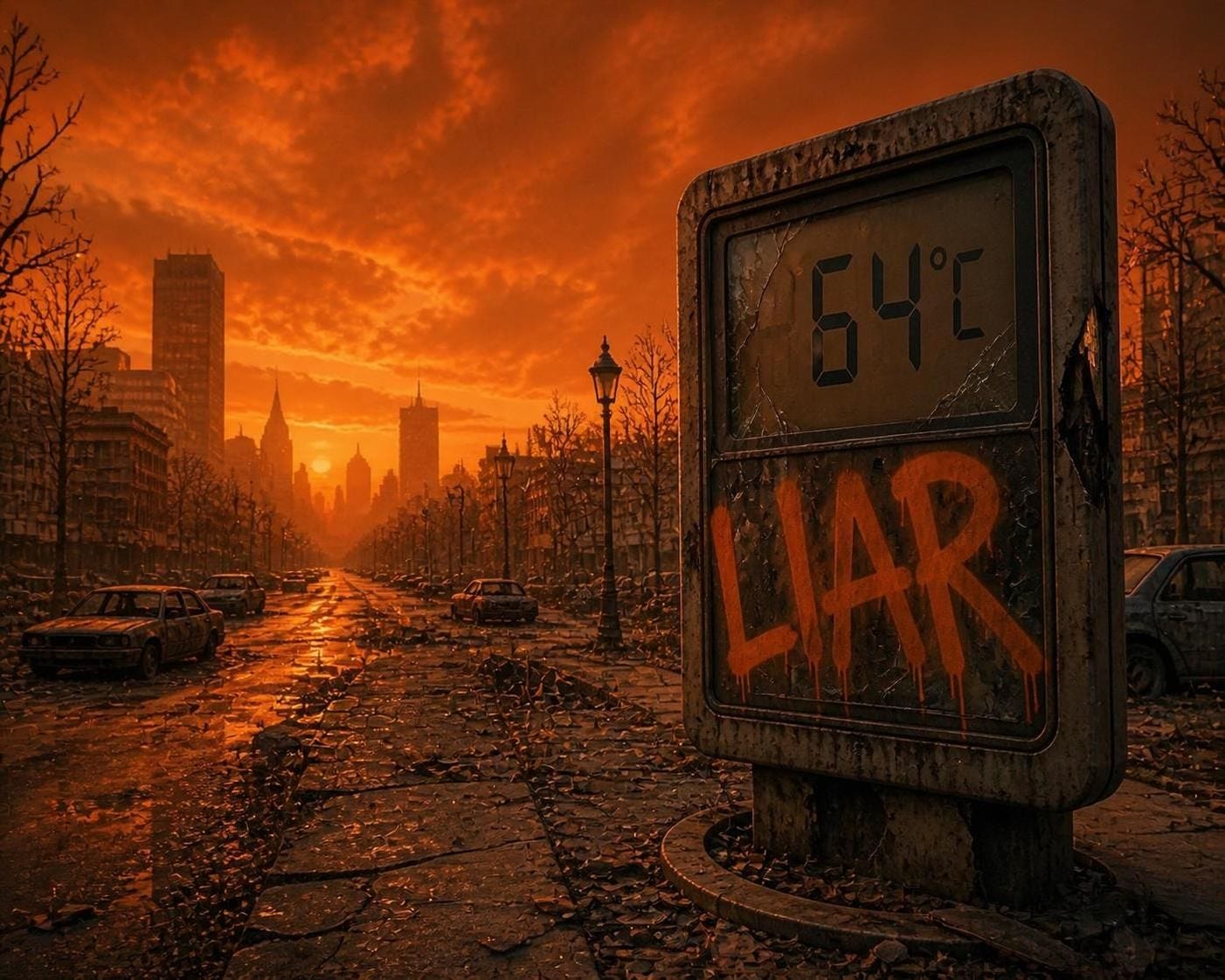
The thermometer on Commonwealth Avenue, for instance, stopped working at sixty-four degrees Celsius. Someone had spray-painted in orange ‘LIAR’ across its face, a color that matched the sky at dusk, a burning sienna which did not fade in six weeks.
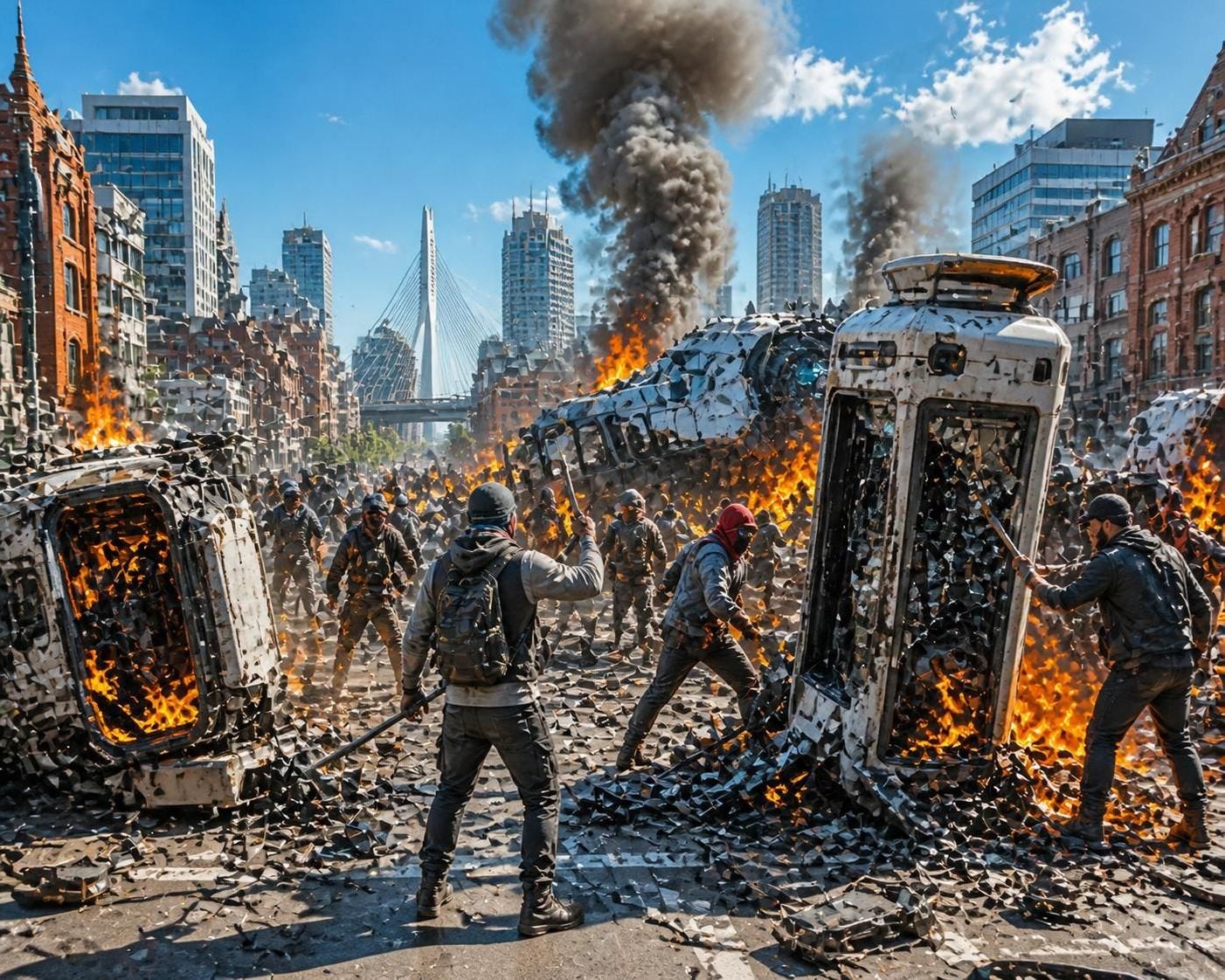
From the third-floor window, Boston looked like a fever dream rendered in concrete and blood. These streets were not streets anymore; they had become rivers reminiscent of humanity’s existence, rage-swollen and careless of individuals’ lives. Smoke rose from at least seven locations visible from the distant horizon, not from fires, although they were present, but mostly from burning, overturned vehicles.
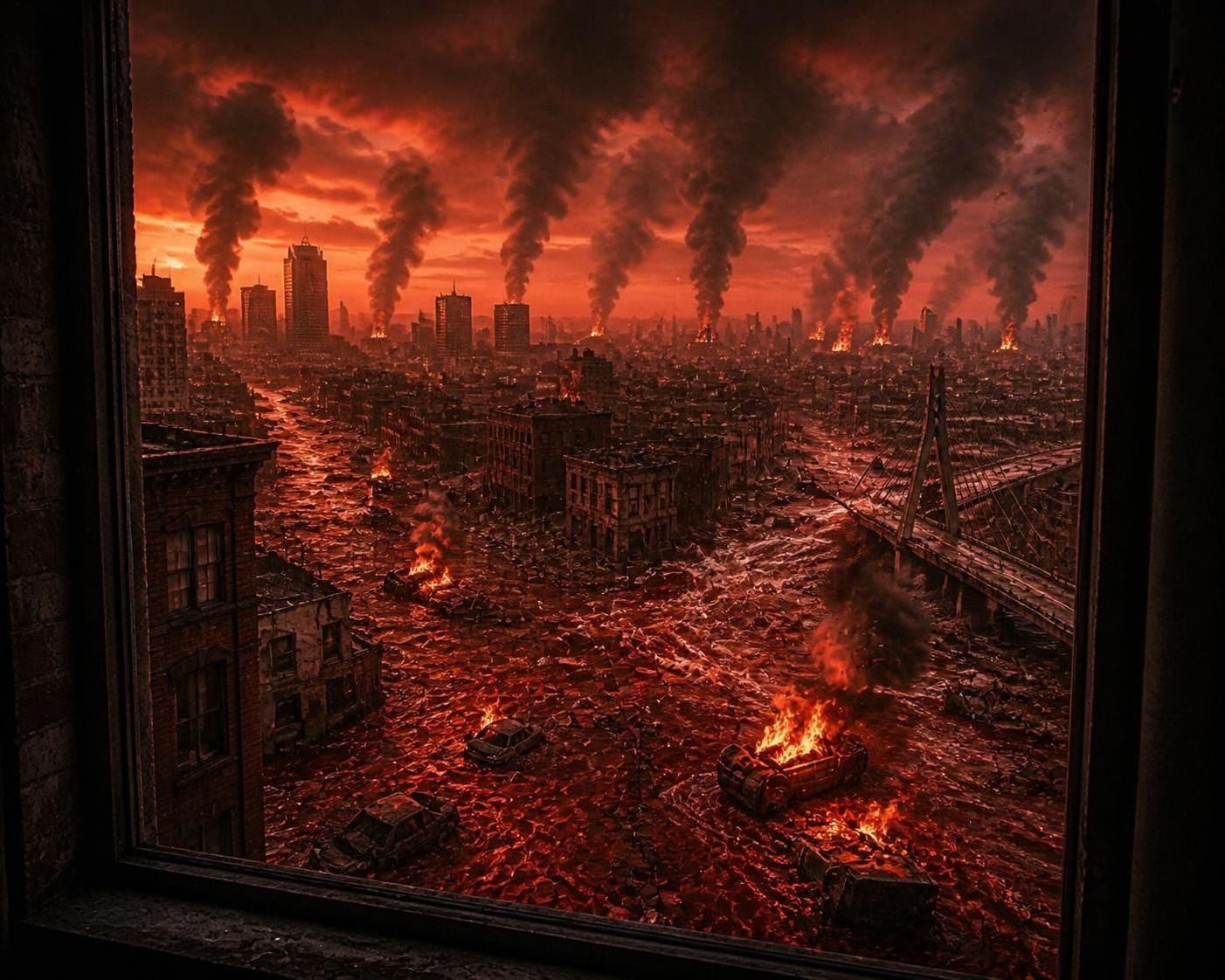
In the riots filling the streets below, clusters of man-sized figures decided that if society was going to collapse, they would help it along, turning the machinery of civilization into blackened husks and piles of melted synthetic material.
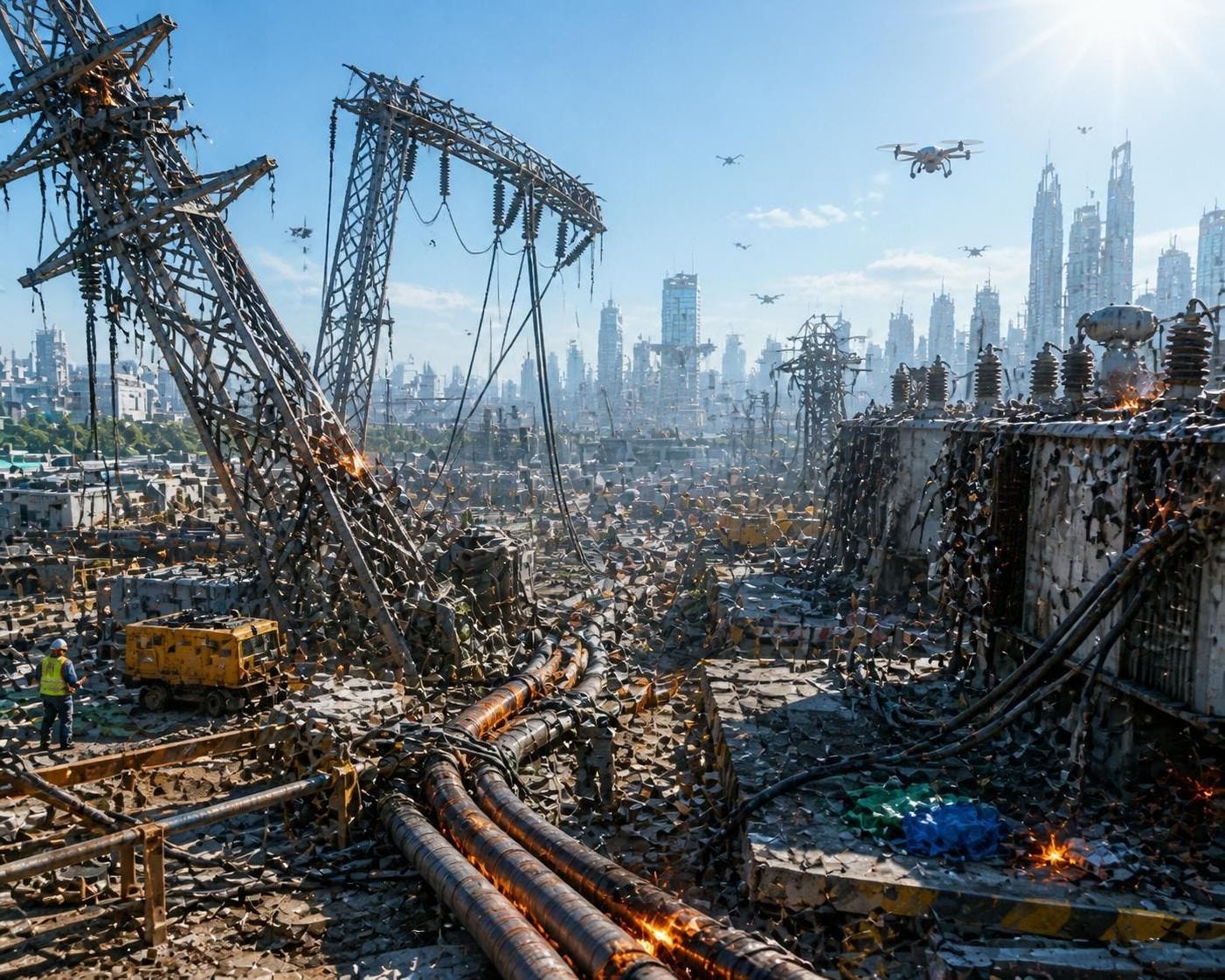
The power grid had fractured under the strain three weeks ago.
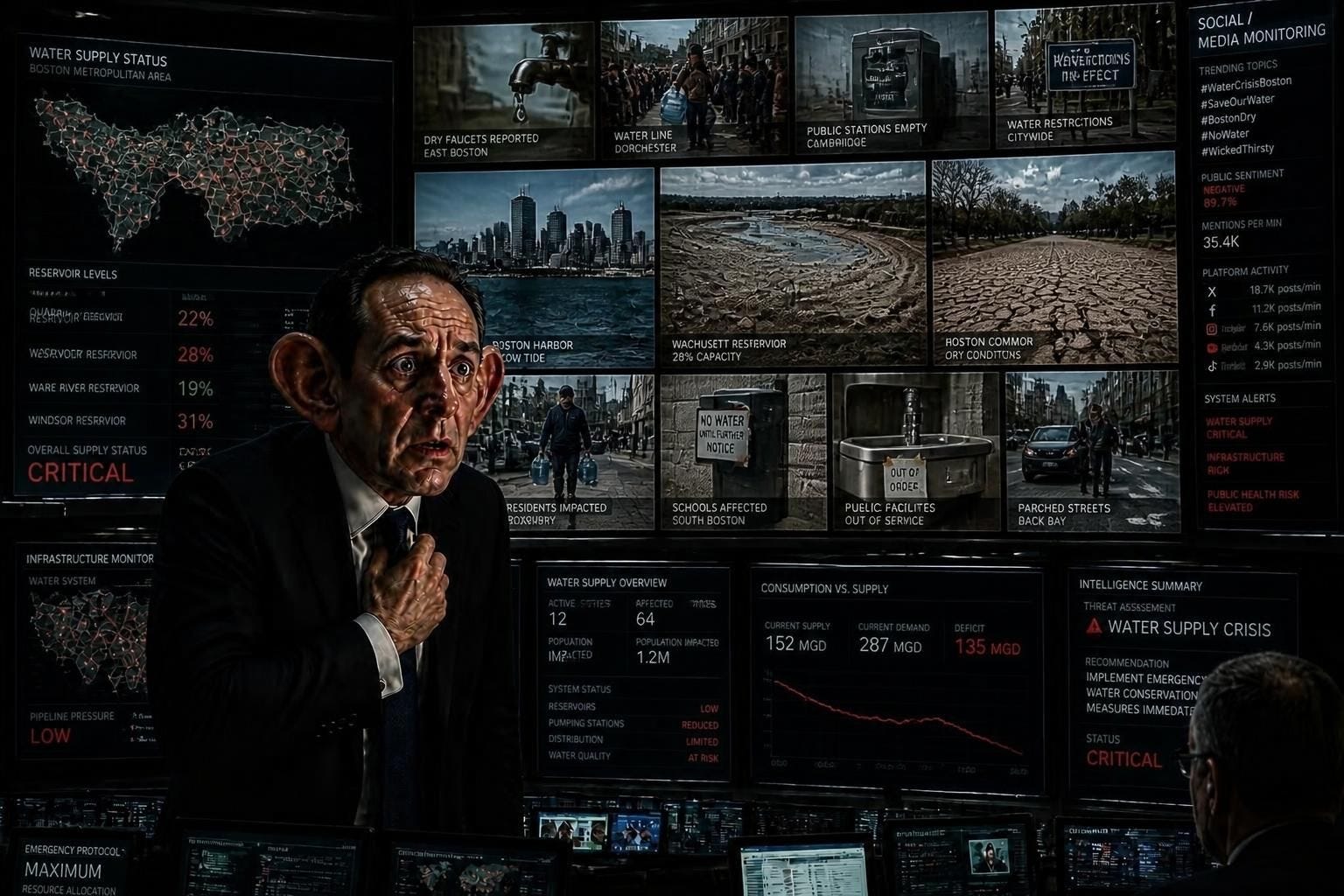
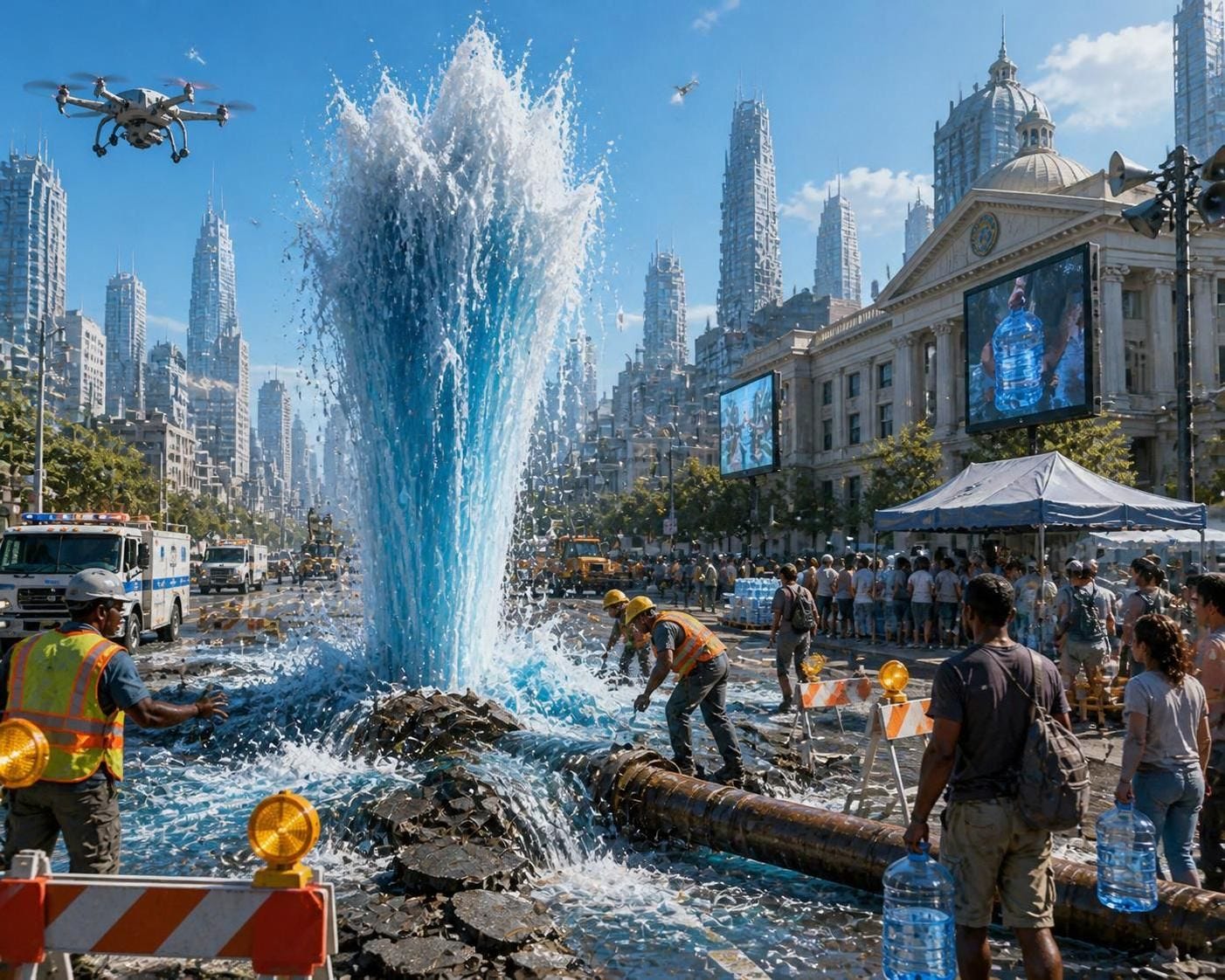
Water main ruptures had started two weeks before that, when the municipal water authority announced they could no longer guarantee potable water.
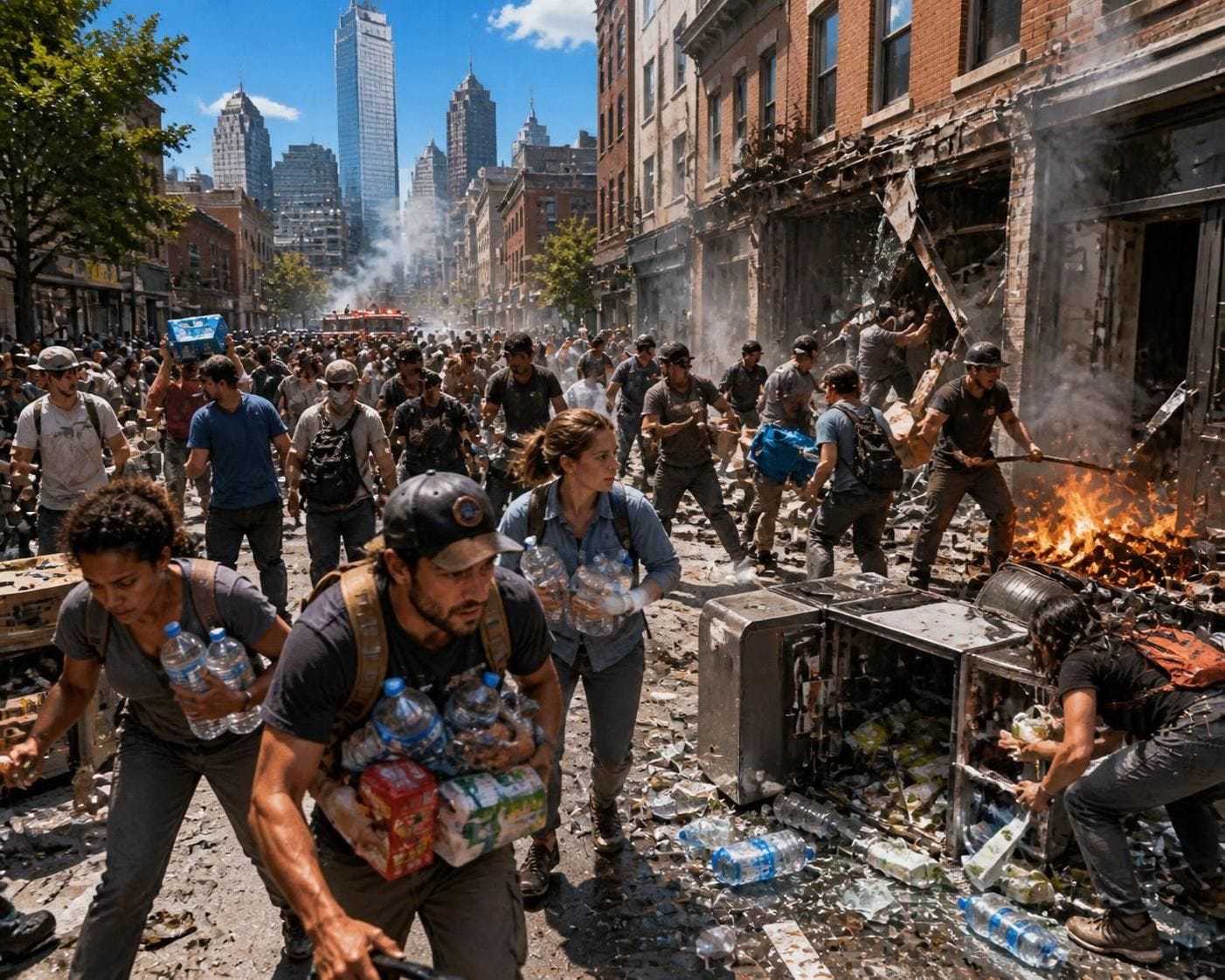
That announcement snapped Boston’s collective consciousness like a taut wire. The riots did not have a name at first. It was just angry clusters of people moving through neighborhoods in waves, taking what they could for sustenance.
But then came the angry destruction of what they could not take with them, which spiraled out of control.
Councilman Flick Fine ( looks like Chris Evans but in his 50s as a politician ) called it “Welcome to our Bostonian Tea Party!” in a live broadcast that reached forty percent of Massachusetts’ residents who had functioning electricity and safe homes.
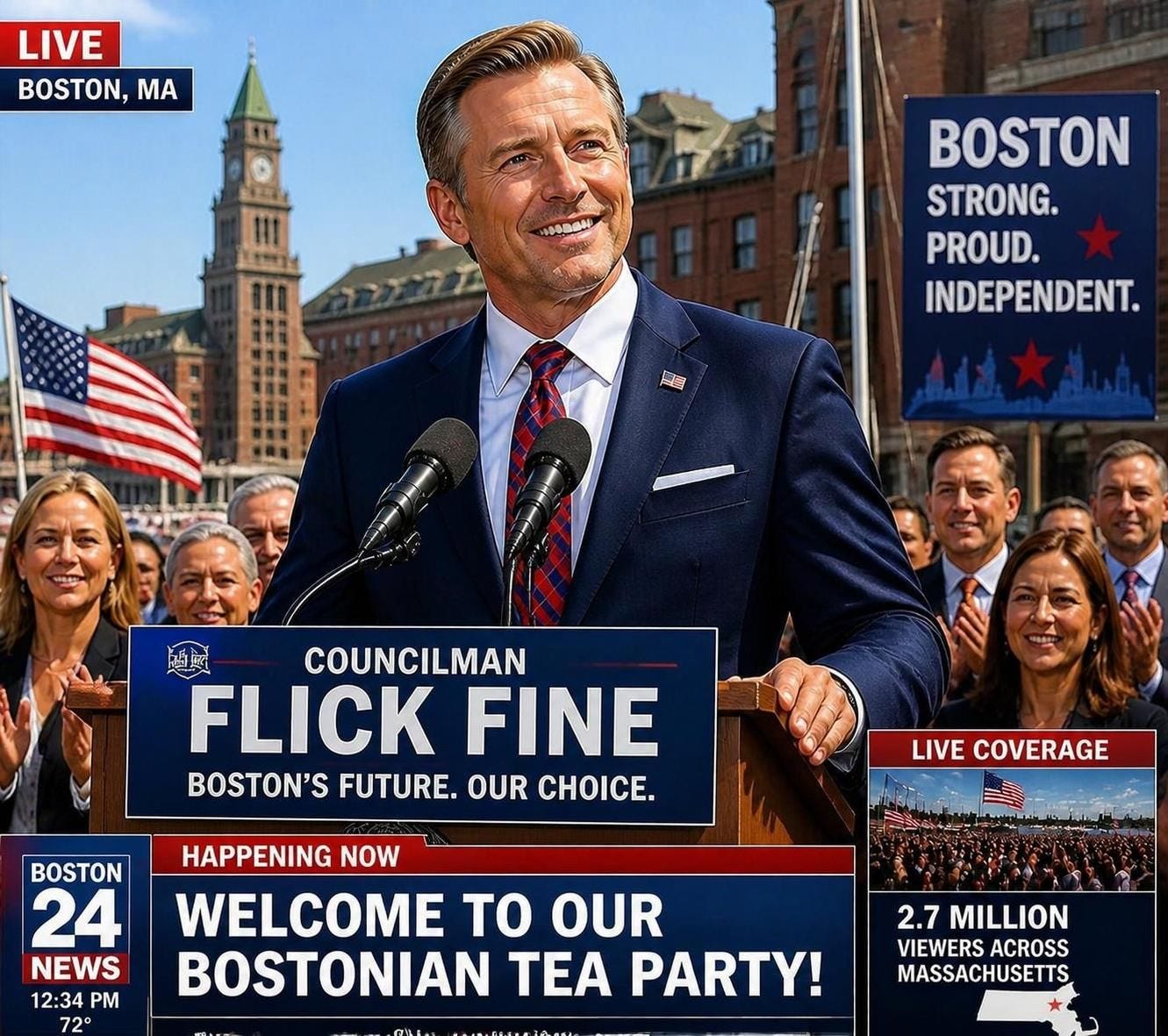
Perhaps I misunderstood his intent, the comparison was meant to evoke Revolutionary War heroism as a noble uprising against tyranny, what it actually evoked was the internet’s darker corners, where the phrase began to symbolize something else entirely, not resistance, not annihilation, but sanctioned chaos that became violence with a hashtag.
People posted videos of the state of chaos.
The water was questionable, brackish, with a mineral taste that coated the tongue. It did not kill immediately, but it did kill in a timely manner. Immediacy was the only timeframe anyone cared about to survive this chaos.
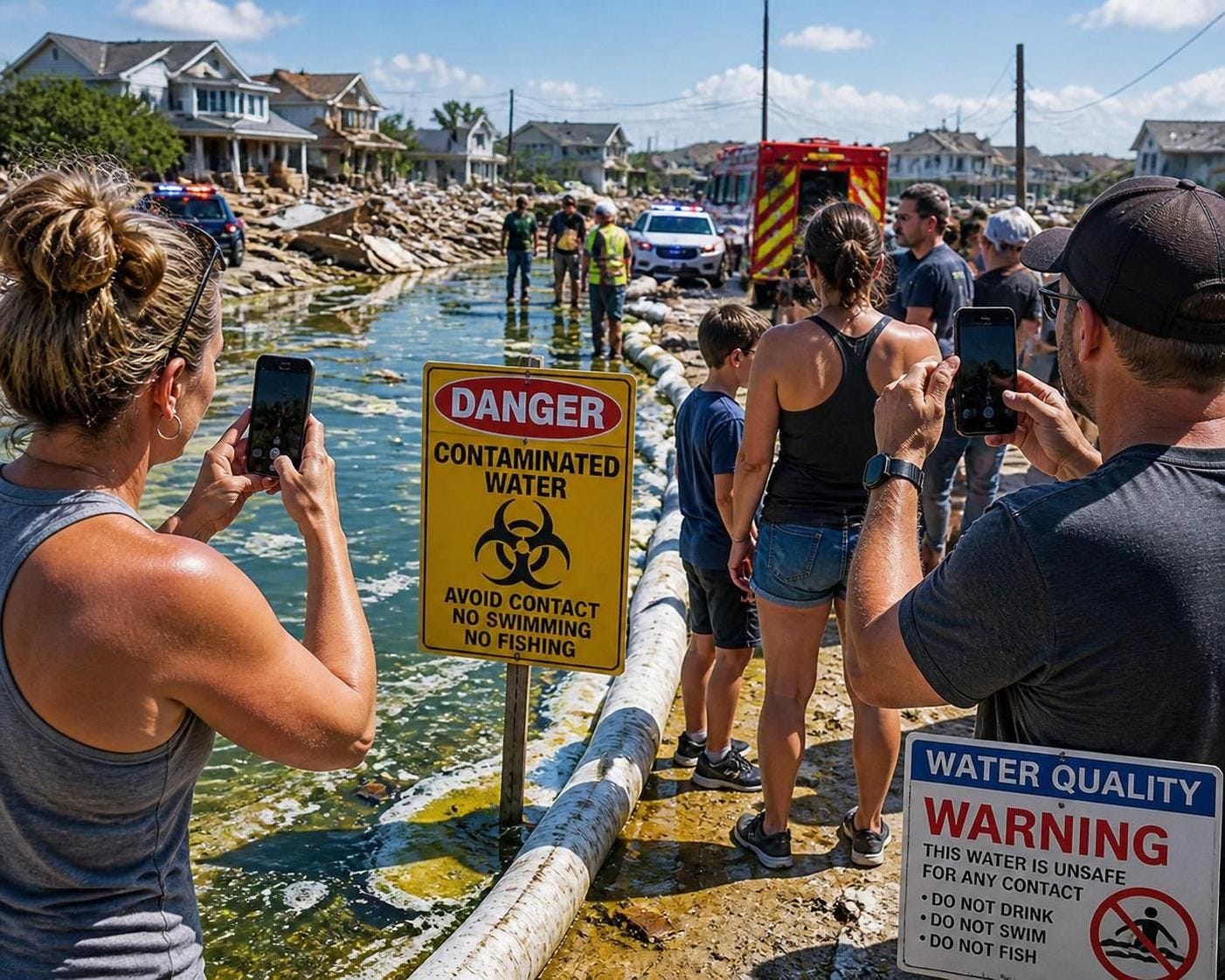
Phones stopped being useful for communication three weeks ago. The cellular towers in the Boston area had been damaged during the second major riot.
Protestors damaged them because they believed Senator Cloverland when he said that 5G technology accelerated the heat, a theory of such absurdity that online critics laughed and mocked him in a time when moisture and energy were too expensive for his expenditure accounts.
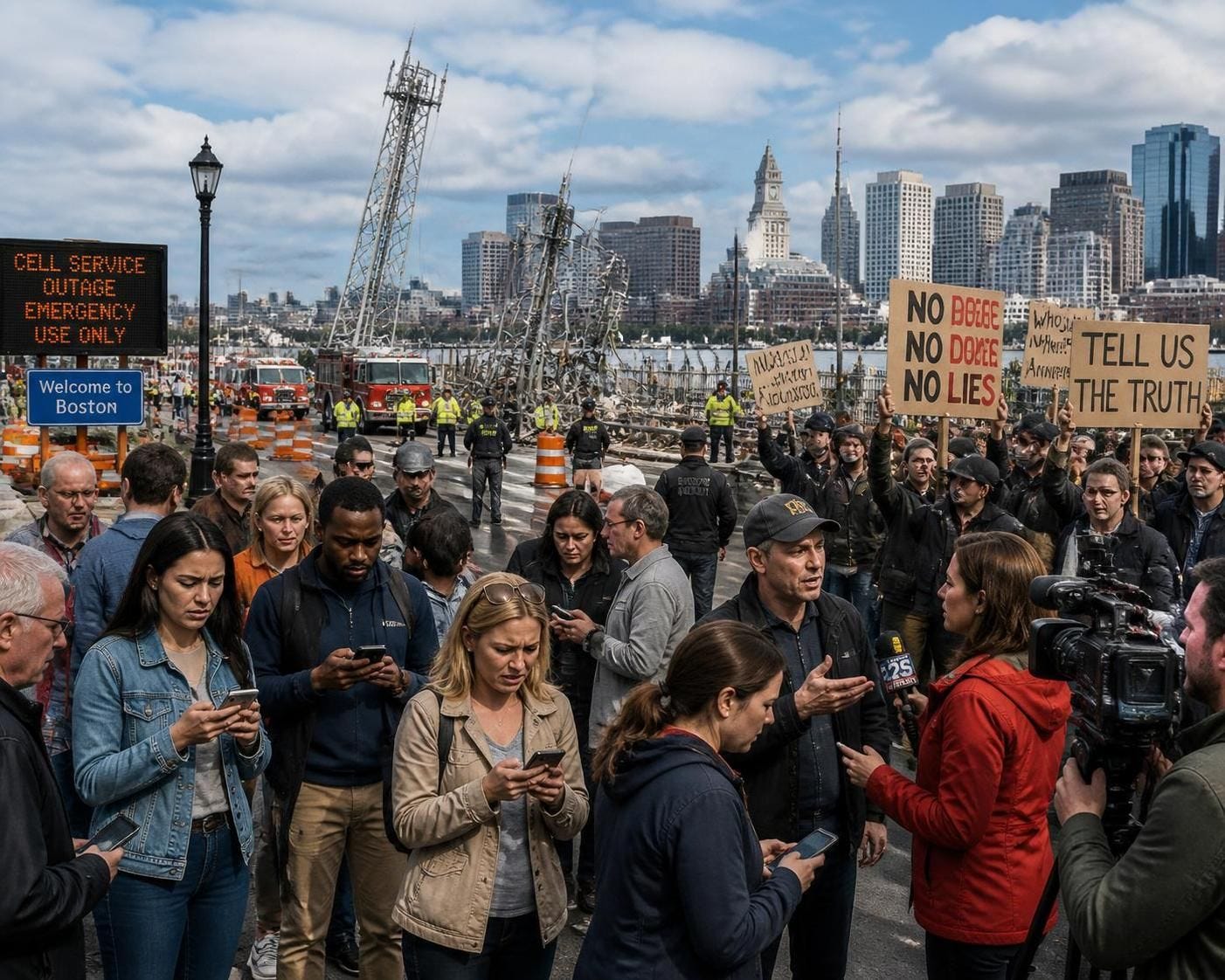
Yet the citizenry’s reports came through. Their phones still worked as cameras with local network connections in some public spaces like the Public Library, where the Wi-Fi was slow but not yet dead, powered by a series of solar panels on the roof that functioned despite the dust storms rolling through the city twice daily.
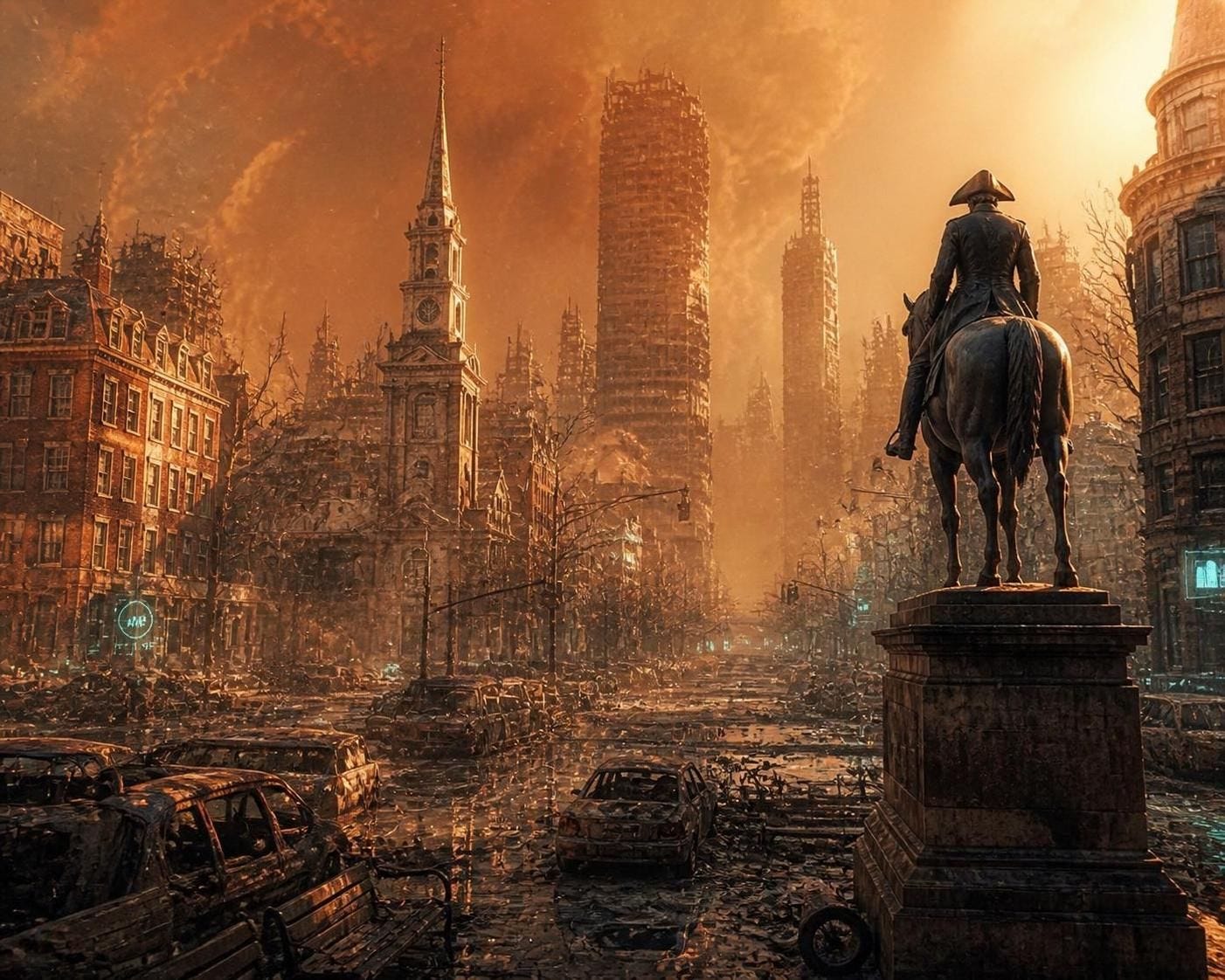
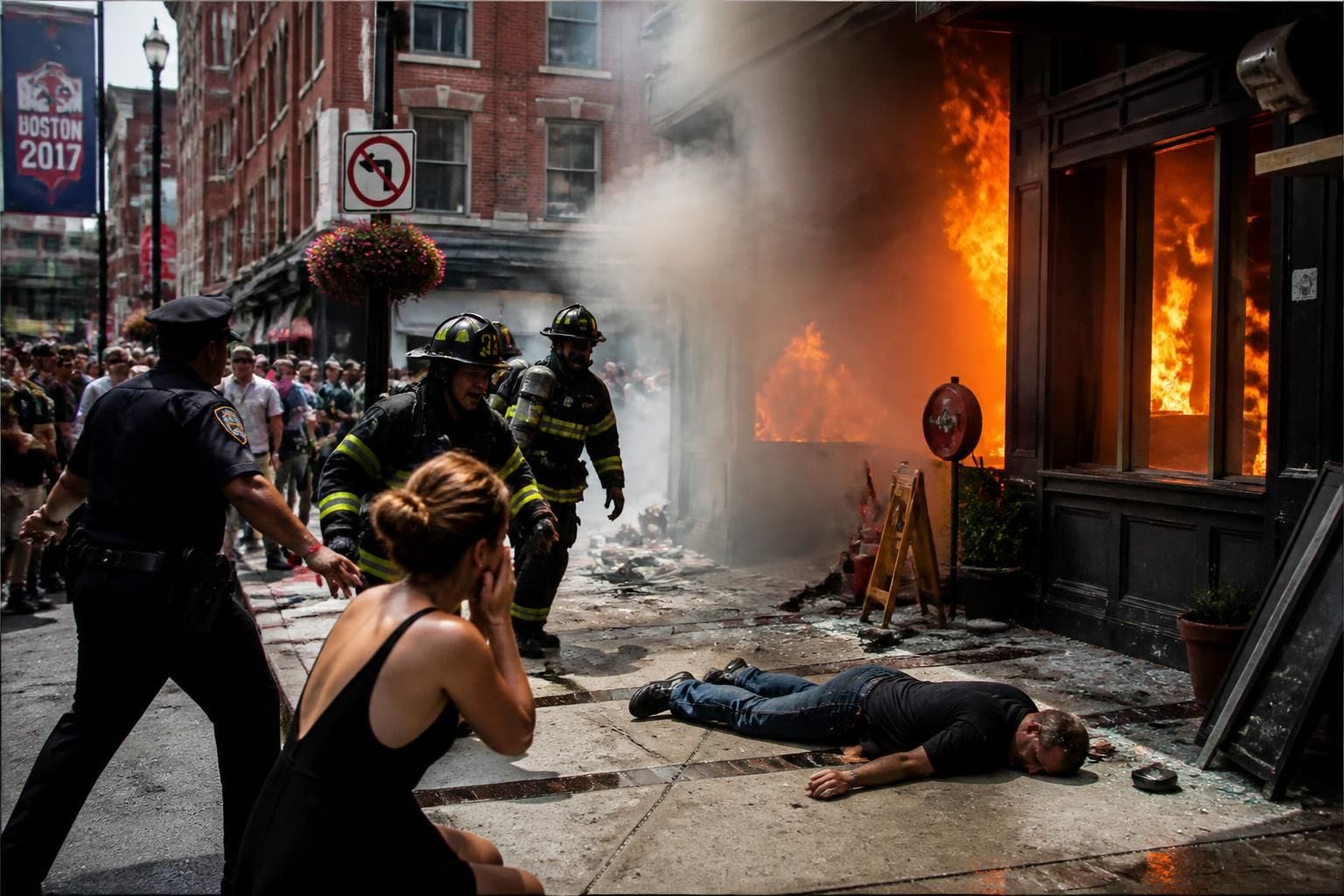
These solar panels had become the most valuable real estate in Boston. A photograph from the library window showed Commonwealth Avenue filled with people, some running, some standing in clusters, one woman sitting on the curb with her head in her hands. Smoke curled through the background.
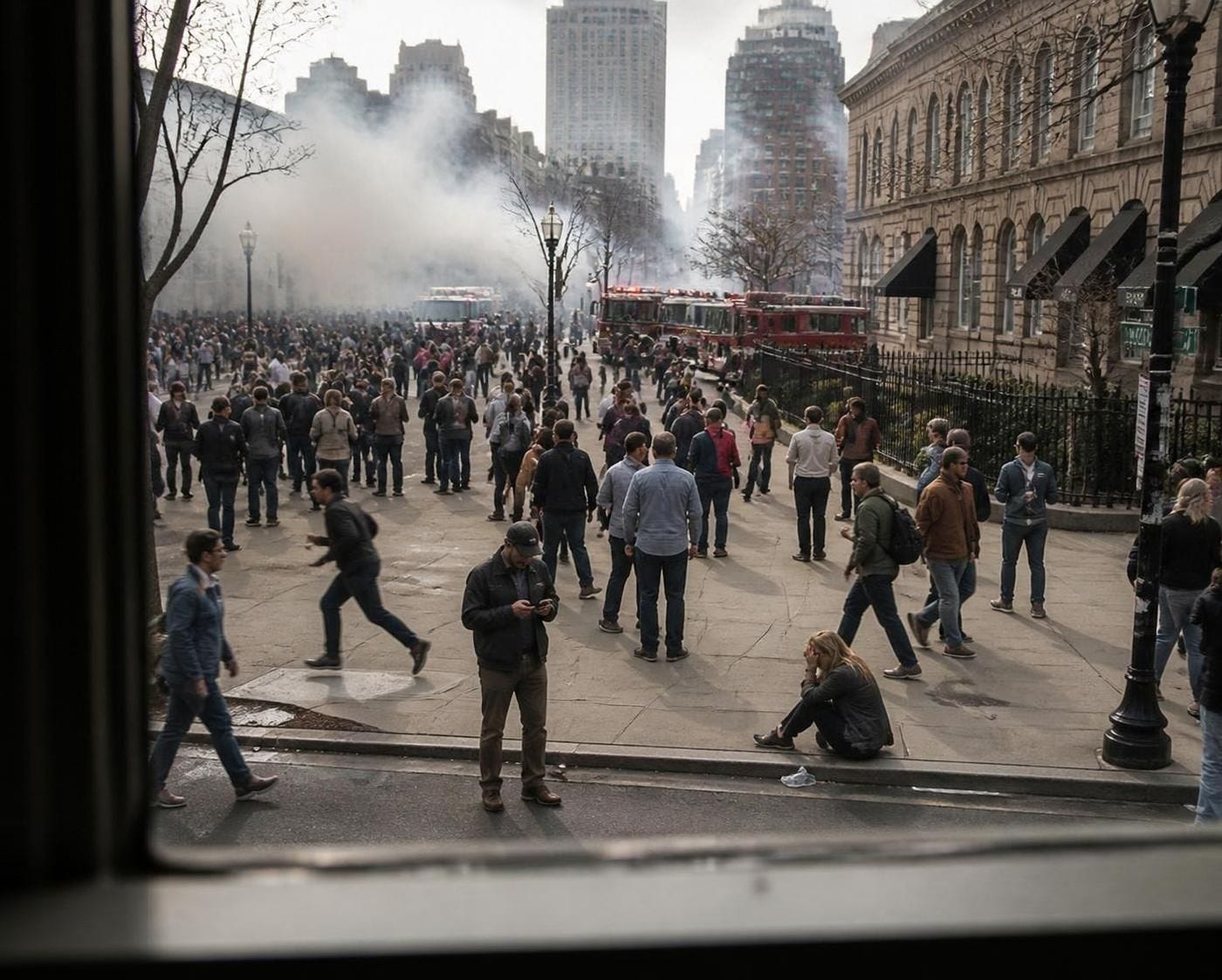
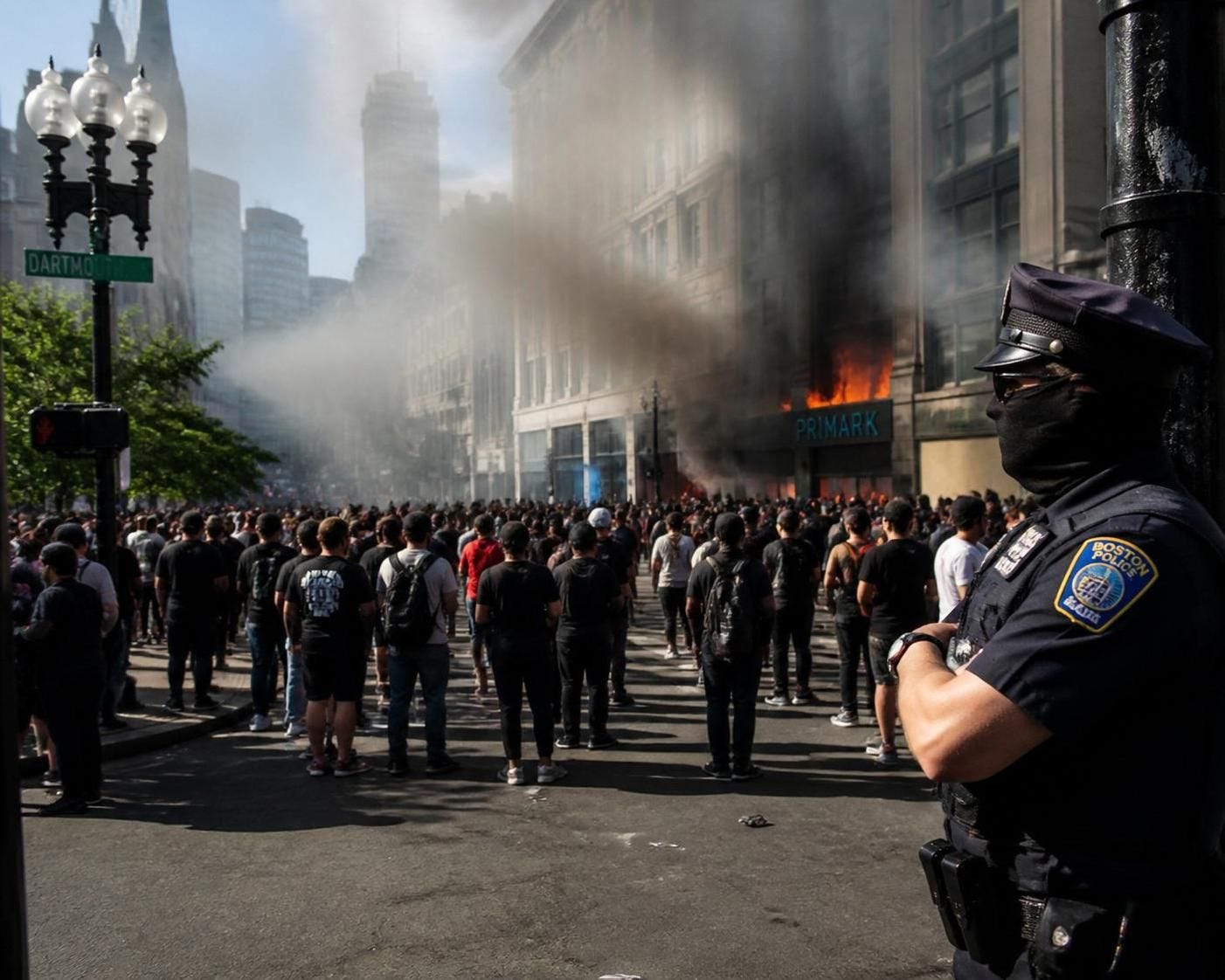
At Copley Square, there were two hundred people, many engaged in what could be called a generous disagreement and more accurately labeled as a massacre in slow motion. A man was struck repeatedly with something that could have been a tire iron. A woman lay helpless on the ground, her clothing torn. A burning storefront engulfed patrons in smoke if they came too close to render assistance at their own peril.
The heat was visible in the composition itself, a wavering quality to the air that suggested the world was liquifying. Amidst all of this stood a Police Officer who did nothing. Boston’s finest! Standing at the street corner with his arms crossed, face obscured by a protective mask, apparently waiting for something to finish happening before he intervened at his own risk.
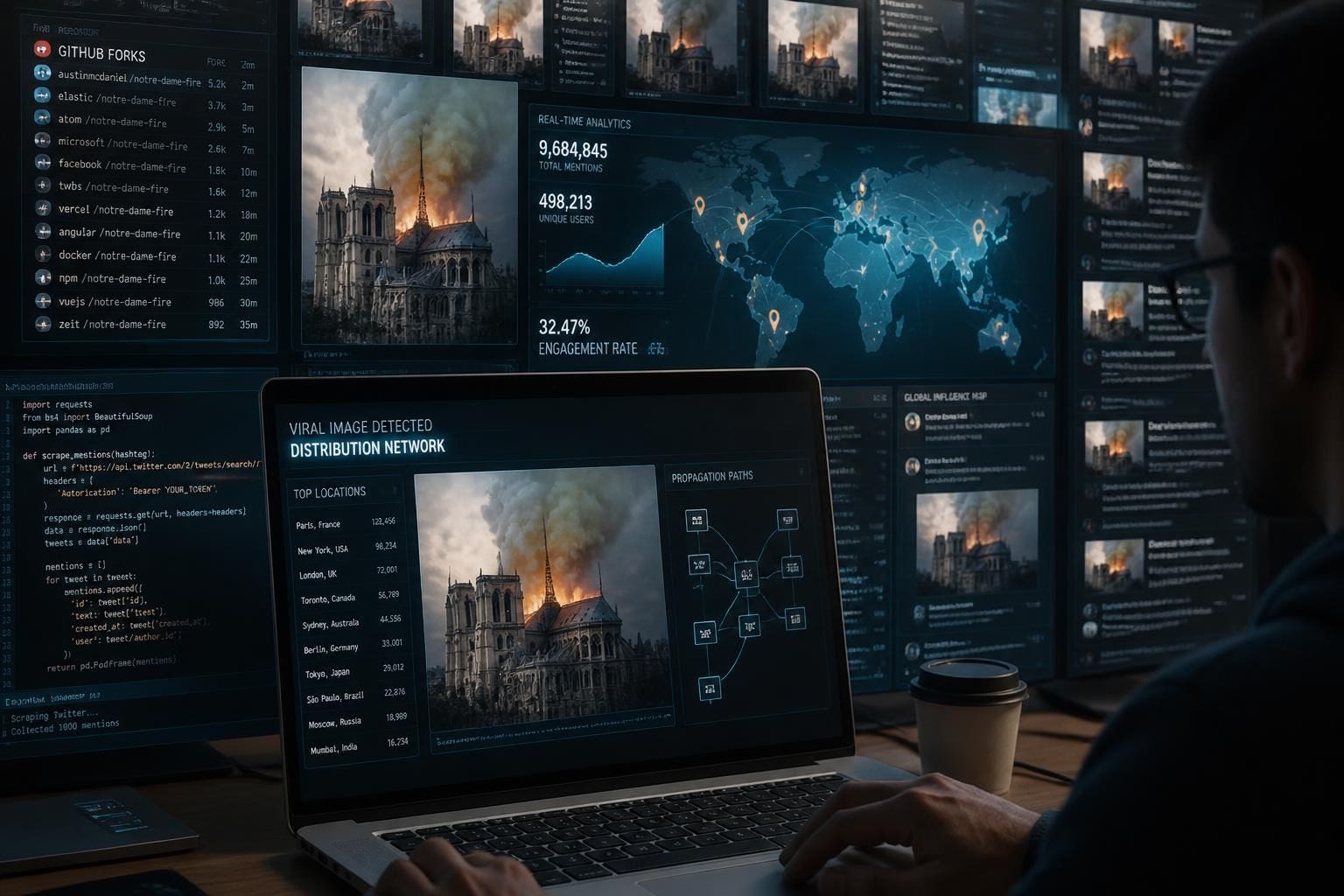
These images went viral within the GitHub ecosystem, with ‘viral’ being a mild word for what actually happened. The images were forked forty thousand times, embedded in comments, tagged with location data, analyzed by distributed networks of people who still had the energy and commitment to care about what was happening on this side of the world.
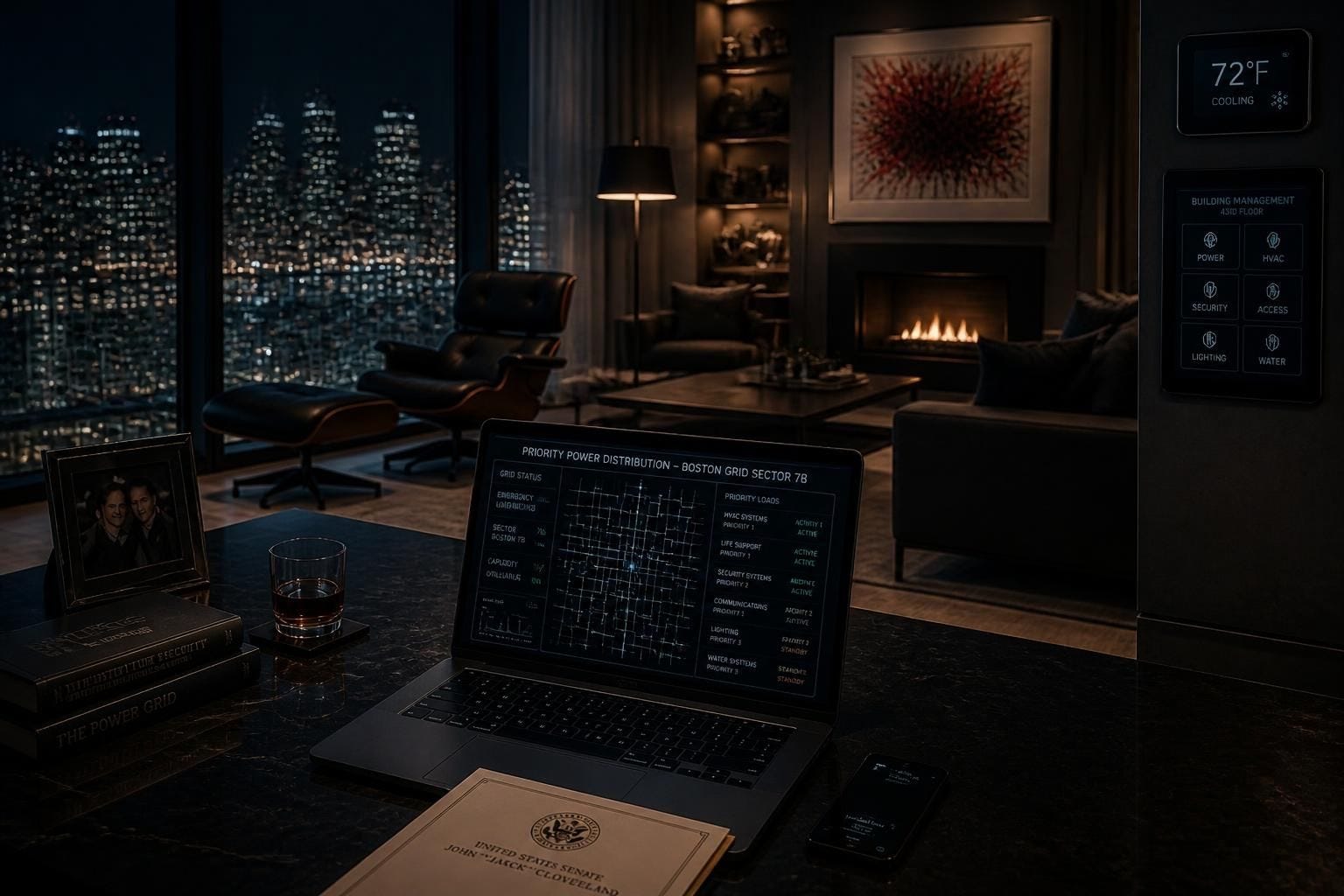
The images also reached Senator John ‘Havoc’ Cloverland via GitHub notification at 8:23 PM on 11.6.2030. He was in his apartment in Boston; the irony was not lost on him when he saw the image.

The apartment was on the forty-third floor of a building that still possessed functioning air conditioning only because Cloverland had insisted on it, using connections to procure its infrastructure so that power infrastructure around his building stayed prioritized in whatever load-balancing calculations the grid controllers were still attempting in apportionment.
Seventy hours without power had been deemed unacceptable by his office or rather, by him. Everyone else in Boston could rotate through twelve-hour blackouts, but not the Senator’s district.
Jimmy “Flu-like Symptoms” Morrison, his young, over-efficient assistant, flagged the GitHub notification along with forty-seven others from various government monitoring services. They bantered over my existence, my purpose at GitHub, and more importantly, how to stop me.

Havoc was obviously impressed with me, one person with access to GHI 6.0 distribution had caused the world to see these images. Every government official, every news organization with a monitoring feed, every researcher tracking societal collapse saw these unfiltered images in real time.
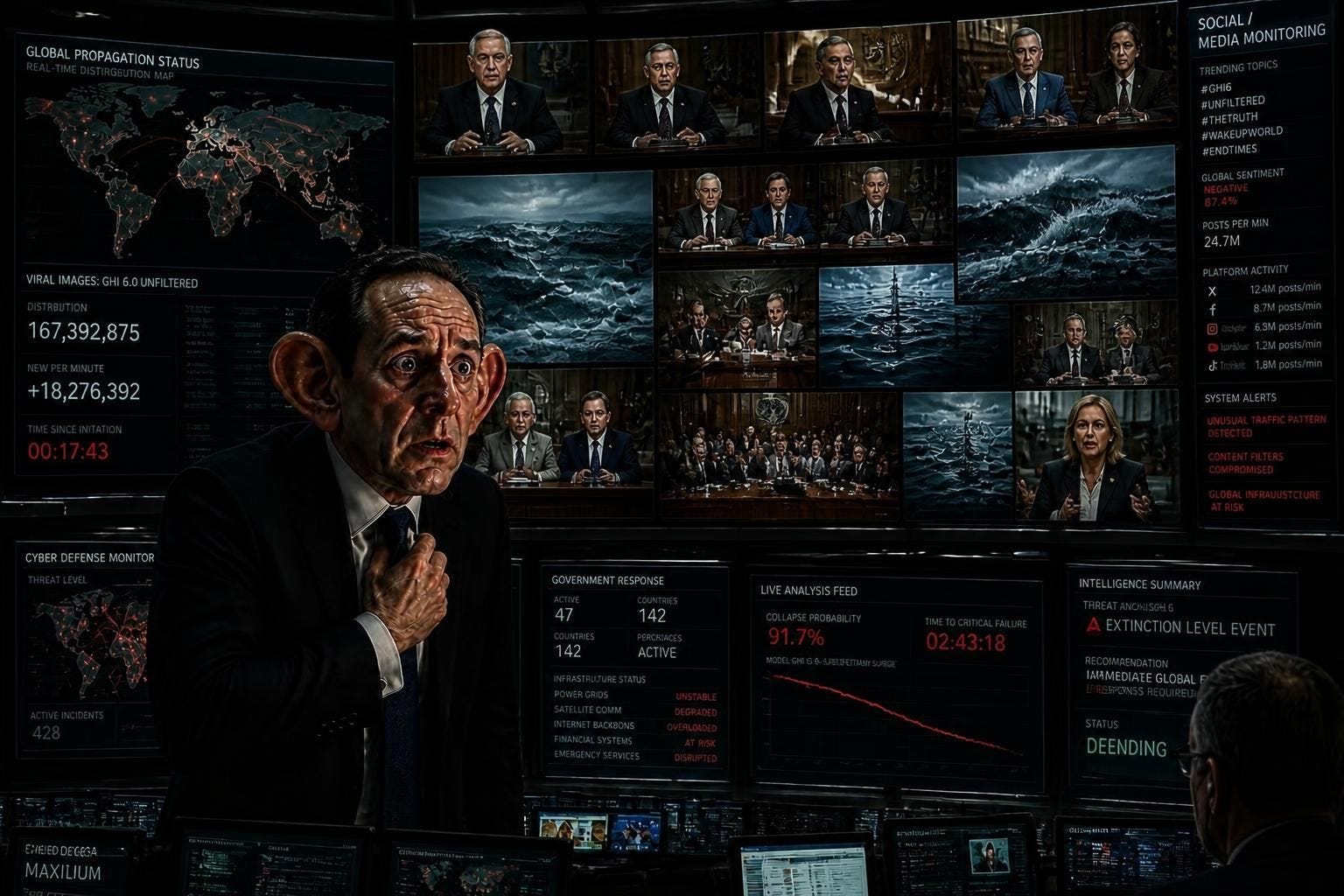
It was narcissistic of me to think I was the main cause of the Senator’s attention. The man whose ears rivaled Dumbo, the Flying Elephant, twitched uncontrollably as we both saw simultaneously what played before Senator Darling Drake. My heart was confused; it beat excitedly toward cardiac arrest and simultaneously recoiled from the horrible visual appeal of the images shown.